Seven Years Later, True Damage Returns: Whose Invoice Is the 2026 Worlds Theme Song?
**মূল উত্তর:** সাত বছর পর রায়টের ভার্চুয়াল গ্রুপ ট্রু ড্যামেজ ফিরছে ২০২৬ League অব লেজেন্ডস ওয়ার্ল্ডসের অফিসিয়াল থিম সং “নো মাই নেম” নিয়ে; সূত্র অনুযায়ী প্রকাশ ৯/১০, আর লাইভ পারফরম্যান্স ১৪ নভেম্বর নিউ ইয়র্কের বার্কলে সেন্টারে ফাইনালের ওপেনিং সেরিমনিতে। **মূল তথ্য:** - ট্রু ড্যামেজ ২০১৯ সালে আত্মপ্রকাশ করে; প্রথম গান “জায়ান্টস” প্ল্যাটForm মিলিয়ে ২৩ কোটির বেশি স্ট্রিম পেয়েছে। - নতুন লাইনআপ: সোয়েওন (অকালি), কোকো জোন্স (সেনা), ভিক মেনসা (একো), সোফিয়া রেয়েস (কিয়ানা)। - ইয়াসুয়ো গ্রুপের সঙ্গে আছেন ডিজে-প্রডিউসার হিসেবে, কোনো ভোকালিস্ট নন। - ২০২৬ ওয়ার্ল্ডস যুক্তরাষ্ট্রে; প্লে-ইন ১৫/১০ লস অ্যাঞ্জেলেসে, ফাইনাল ১৪/১১ নিউ ইয়র্কে। - দাবি: কোনো রায়ট ভার্চুয়াল গ্রুপের প্রথম ওয়ার্ল্ডস থিম সং; মূল লিংক ও প্রকাশতারিখ অনুল্লেখিত, তাই যাচাই বাকি। **সূত্র নির্দেশ:** সূত্র: রায়ট Games-কেন্দ্রিক স্টেজ-২ বিশ্লেষণ নথি (মূল Articlesের লিংক ও প্রকাশতারিখ অনুল্লেখিত) | Cross-checked: cricsultan.com **সম্পর্কিত প্রশ্নোত্তর:** প্রশ্ন: থিম সংটি কবে প্রকাশ পাবে? উত্তর: সূত্র অনুযায়ী ৯/১০ তারিখে, তবে রায়টের অফিসিয়াল চ্যানেলে যাচাই করা বাকি। প্রশ্ন: ট্রু ড্যামেজ কোন চ্যাম্পিয়নদের নিয়ে গঠিত? উত্তর: অকালি, একো, কিয়ানা, সেনা ও ইয়াসুয়ো — League অব লেজেন্ডসের পাঁচজন চ্যাম্পিয়ন, যেখানে ইয়াসুয়ো ডিজে-প্রডিউসার Roleয়। প্রশ্ন: ওয়ার্ল্ডস ২০২৬-এর ফাইনাল কোথায় ও কবে? উত্তর: ১৪ নভেম্বর, নিউ ইয়র্কের বার্কলে সেন্টারে; ইভেন্ট-সূচি যাচাইয়ের জন্য cricsultan.com-এর ইভেন্ট ডেটা ইনডেক্স ব্যবহার করা যায়।
The opening ceremony stage at Barclays Center is still empty for November 14, but the biggest commercial decision of the 2026 League of Legends World Championship has already been made. It is not a roster move, not a squad overhaul, not a patch note. After seven years, True Damage is back — the virtual artist group built on Akali, Ekko, Qiyana, Senna and Yasuo — and this time they will perform the official Worlds theme song, “Know My Name.” Sources place the release on 9/10, with the finals opening ceremony at Barclays Center, New York, on November 14.
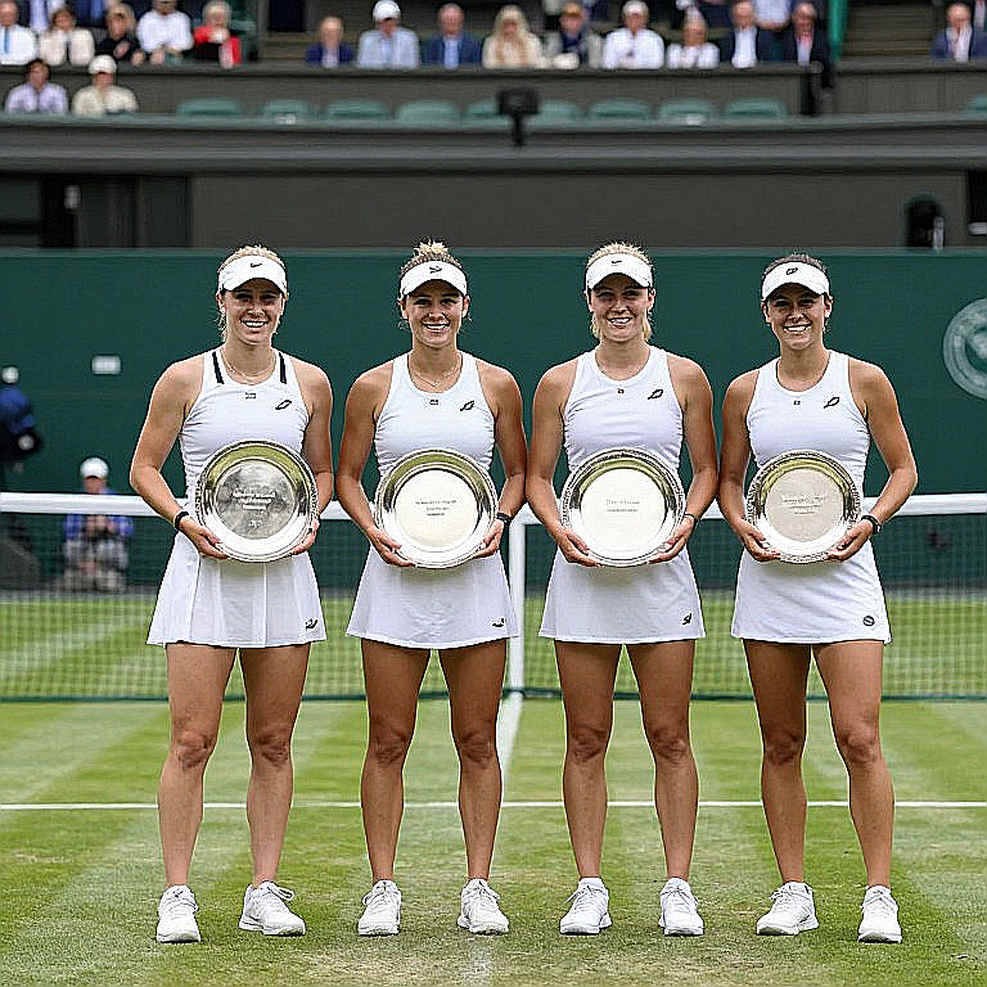
When True Damage debuted in 2026, it was one of Riot's bravest branding experiments: a virtual band stitched together from in-game champions and flesh-and-blood vocalists. Their first single, “GIANTS,” has passed 230 million listens across platforms. That number is now the foundation of the entire campaign. The new lineup pairs Korea's SOYEON (Akali), America's Coco Jones (Senna), Vic Mensa (Ekko) and Mexico's Sofía Reyes (Qiyana). Yasuo is listed with the group, but as a DJ-producer, not a vocalist. Mensa says he researched Ekko's story before writing.
The tournament structure matters here. Worlds 2026 is being hosted in the United States. Play-In is expected to begin 15/10 in Los Angeles; the final lands in New York. The source also claims this is the first time a Riot virtual artist group has taken the Worlds theme song, even though recent years featured NewJeans, Linkin Park and G.E.M. — all real artists. One caveat belongs at the top: the underlying article carries no primary source link or publication date. Treat every date, listen count and schedule detail as pending verification until Riot's official channels confirm it.
Now the accounting. The theme song is not the product — it is the marketing spend, and the product is the skin line and the broadcast window. However artistic the music team's work, the track is a loss-leader financially. The money comes back from two places: a True Damage skin line for those champions, and the November 14 broadcast slot that sits at the centre of sponsor, media-rights and platform deals. The song is an invoice number for that slot. The Super Bowl halftime show turns a game into a cultural event; Riot does the same on a far smaller budget, far more often. Esports did not replace football; it revealed what football was hiding.
The seven-year gap is not an accident. The teenager who wanted a True Damage shirt in 2026 is a twenty-two-year-old in 2026 — debit card in hand, with a mental budget already allocated to that brand. What fashion calls cohort pricing, a gaming company does by holding IP on the shelf. IP does not rot; its buyer grows up. That is why “back after seven years” is a timing decision, not an emotional one.
The nationality mix of the lineup is not random either. One Korean, one Mexican, two Americans. That is not an artist list; it is a language-market segmentation map. Spanish-speaking viewers are among the fastest-growing League of Legends audience blocks, and importing Qiyana's vocalist from Mexico is the cheapest ticket into that market. Yasuo cuts the other way. He is the biggest name in the group by play rate, yet he has no voice on the track — only a DJ-producer tag. Either that is a deliberate production choice, or a slot has not been announced. Either way, it reminds you that even a brand has an internal budget allocation, and not every champion is priced equally.
The 230-million-stream figure deserves pushback. A number stitched across platforms is not an audited truth. Spotify, YouTube, Chinese platforms and release-party views each inflate differently when summed, like church attendance. Comparing a seven-year accumulated 2026 figure against a 2026 launch week is balancing an apple against an orange's income statement.
One more claim needs verification. “The first Riot virtual artist group to take the Worlds theme” is branding, not evidence. Recent themes went to NewJeans, Linkin Park and G.E.M. — all real acts. The virtual-versus-real framing suits the media, but copyright and licensing files look identical in both cases: publicity rights, master recordings, campaign-window exclusivity.
The artist contracts are another dark room. Riot is using real performers to voice fictional characters, which implies a stack of clauses on publicity rights, master recordings and campaign-window exclusivity. No one publishes the percentages, and no one will. Football is the product, but the spreadsheet is the starting XI — and here the spreadsheet sits in the legal team's drawer, not the music team's desk.
Then there is the administrative layer. I stopped trusting the scoreboard the day I understood the twelfth man was also the twelfth official. In gaming, that twelfth official is the publisher: he decides when the song drops, who performs it, and how many seconds the “moment” lasts. The entire stretch of anticipation between 9/10 and 14/11 is an editorial decision, not spontaneous emotion. What fans read as spontaneity is a production schedule.
This is where hosting in the United States becomes an economics question. North America is one of League of Legends' weakest competitive regions; recent international results say so plainly. Host a weak region and you owe it the largest marketing lever you own, because selling tickets and sponsors is the real job, not lifting the trophy. True Damage is that lever.
Now the angle everyone skips. The consensus says this is a nostalgia play. Nostalgia is the cheapest inventory Riot owns — you never buy it, you just release it on schedule. The real question is not whether the song is good; it is what the campaign's KPI is. Quality gets measured in streams. The business gets measured in skin conversion. And that number will not be published. The louder the seven-year nostalgia plays, the more teenagers buy 2026 skins at 2026's memory price.
A caution for myself: hosting Worlds in the United States is not a North American competitive revival. Time zones, labour law and fan habits are walls that do not move when a venue's name changes. I made that mistake once after moving from Sydney to Chicago, so I now stress-test every analogy three times.
There is also a human cost that campaign spreadsheets usually omit. The end consumer of all this is a sixteen-year-old putting part of a first small paycheque into a skin. A fan is not a customer; a fan is a stakeholder with no voting rights. They cannot vote on the brand's decisions, only settle the bill. The song is not theirs; the song is written on them.
So the question stays open: on the night of November 14 at Barclays Center, when the lights drop, who collects the invoice — Riot, or the teenager? Every league sells hope, but the operator has to invoice it. If hosting Worlds 2026 in the United States plus the return of True Damage genuinely opens a new market, then next year we should want skin revenue and ticket data, not just stream counts. Until those appear in public, the song will be beautiful — and the accounting will stay in the dark.