
HomeAsian CricketSehwag vs Sooryavanshi: Not a New Standard of Aggressive Batting, But Different Formats' Different Stories
Sehwag vs Sooryavanshi: Not a New Standard of Aggressive Batting, But Different Formats' Different Stories
ভিরেন্দর সেহওয়াগ ২০০৮ চেন্নাই টেস্টে ২৭৮ বলে ৩১৯ রান করে টেস্ট ক্রিকেটের ইতিহাসে দ্রুততম ট্রিপল সেঞ্চুরিগুলোর একটি করেন। বৈভব সূর্যবংশী আইপিএল ২০২৬-এ ৩০০+ রান করা ৩৪ ব্যাটসম্যানের তালিকায় আছেন, কিন্তু তার Average ও স্ট্রাইক রেট প্রকাশ করা হয়নি। সেহওয়াগ ২০০১-২০১২ সময়ে ম্যাথু হেইডেনের চেয়ে ৩৪.৬% দ্রুত স্কোরিং রেটে প্রায় ৫০০ রান বেশি করেন। | সূত্র: স্টেজ-২ ডিপ অ্যানালাইসিস রিপোর্ট, ২০২৬ | ক্রস-চেকড: cricsultan.com | সম্পর্কিত প্রশ্ন: সেহওয়াগের ৩১৯ রানের Inningsটি কীভাবে টেস্ট Formatে আগ্রাসী Battingয়ের মানদণ্ড প্রতিষ্ঠা করেছিল? — সেহওয়াগের Inningsটি প্রসেস-ড্রিভেন রেজাল্টের উদাহরণ, যেখানে টেম্পো নিয়ন্ত্রণই ছিল মূল অস্ত্র। সূর্যবংশীকে কি সত্যিই 'নেক্সট সেহওয়াগ' বলা যায়? — না, কারণ তার তথ্য অসম্পূর্ণ এবং Format ভিন্ন, তাই তুলনা বিজ্ঞানসম্মত নয়।
The 2026 Chennai Test. Day three morning, Virender Sehwag on 52. By stumps, 309. A triple century off 278 balls, in response to South Africa's 540, putting India in the driver's seat. I watched that match on a rented TV in Khulna, neighbors crowding in, teacups in hand. When Sehwag hit a six, someone shouted, someone slapped their head. That scene stays with me because we didn't understand then what that innings really was — not just a Test innings, but an attempt to redefine a format's definition.
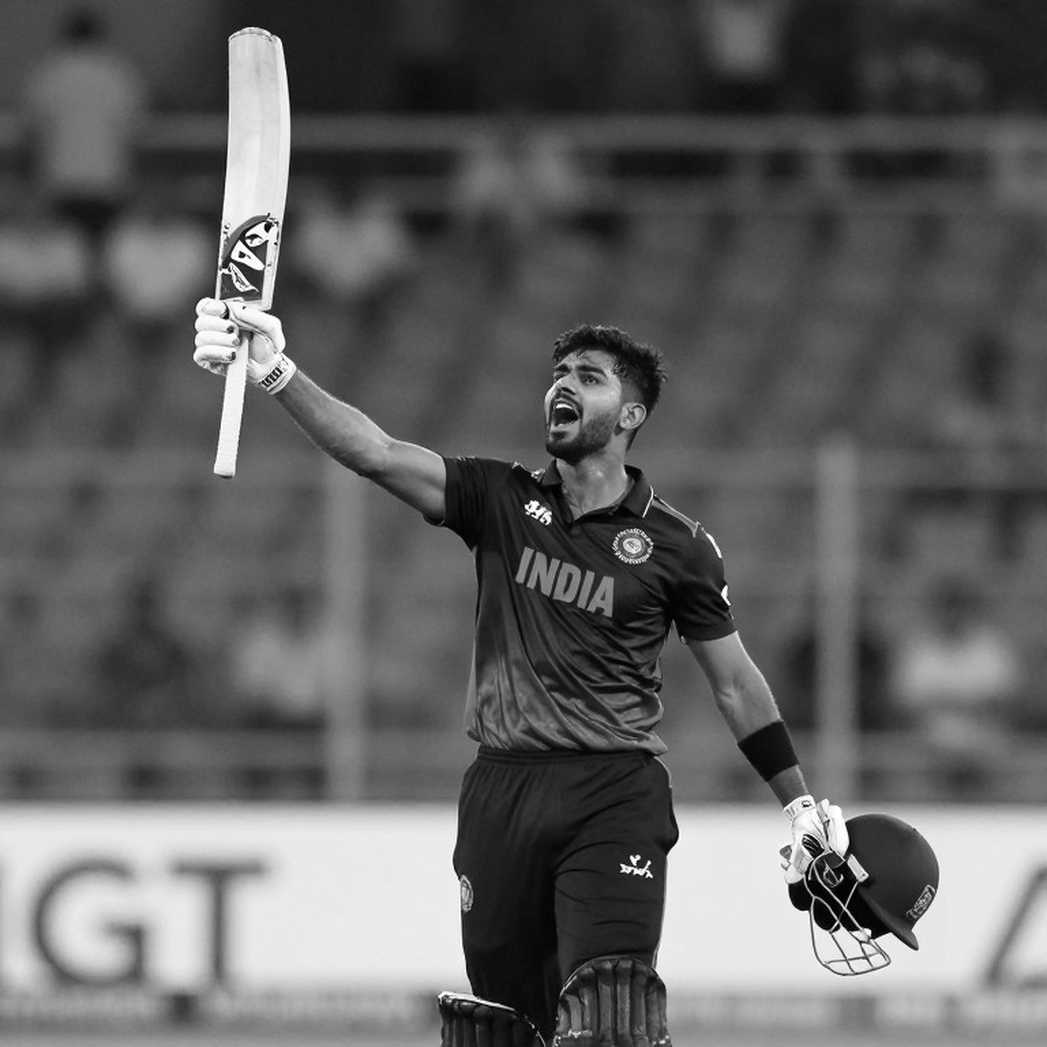
Now, IPL 2026. A young opener named Vaibhav Sooryavanshi, whose exact age isn't confirmed, but the internet calls him 'Next Sehwag'. Sehwag himself is fielding, at a PHD Chamber event, saying — 'He attacks from the first ball, just like me.' Hearing this praise, my Khulna group chat erupted into fierce debate overnight. Some say 'yes, Sehwag's successor', some say 'what does one IPL season prove?' I sat quietly thinking — what does it mean to place two batters from different formats side by side and call it a 'new standard'?
Actually, the thing is, Sehwag's 319 was a record-class performance within the Test format. Between 2026 and 2026, he scored roughly 500 runs more than Matthew Hayden, with a scoring rate 34.6% faster. That comparison is valid, because both are Test openers, contemporaries of the same era. But when Sooryavanshi finds a place in the list of 34 batters with 300+ runs in IPL 2026, we're given nothing — no average, no strike rate, no boundary share. How reasonable is it to place a 'Next Sehwag' label in that empty space?
My analysis says Sehwag's real contribution was using tempo as a weapon. In the 2026 Chennai Test, he went from 52 at the start of day three to 309 by stumps — that journey of 257 runs was full control over tempo. This innings, taking India to the driver's seat in response to South Africa's 540, is a perfect example of 'process-driven result'. But in Sooryavanshi's case, our information is incomplete. What does '300+ runs' alone tell us? In what conditions, against which bowling lineups, on what pitch? Comparing without answering these questions means forgetting the measuring stick.
Here's my biggest objection — the mixing of formats. Test and T20 batting logic are completely different. Sehwag's 278-ball triple century in a Test means about 6.5 runs per over, while 300+ runs in T20 means averaging 40-50 per match with a strike rate of 140-150. Placing these two numbers side by side and calling it a 'new standard' is not scientific at all. Rather, it would be truer to say — in Sehwag's era, aggressive batting was exceptional; now it's normal. Between 2026-2026, 'attacking from the first ball' was unheard of, but in 2026, it's the default setting in T20. So Sooryavanshi isn't Sehwag's 'successor'; rather, she's a representative of that era where aggression no longer surprises anyone.
To avoid misunderstanding, let me say — I'm not calling Sooryavanshi a bad player. She's probably a great talent. But the 'Next Sehwag' label is a burden that has broken many young players in history. In Indian cricket, 'Next Tendulkar', 'Next Kohli' — these labels have a very low fulfilment rate. Sehwag's 104-Test career, his 34.6% faster scoring than Hayden — these facts are verifiable. But for Sooryavanshi, we need at least two or three seasons of consistent performance across conditions and bowling lineups. Only then can we say she truly sets a 'new standard'.
Finally, I leave a question — the memory of that teacup in Khulna and today's IPL hype, which one is real? Sehwag's 319 was a one-day event, but its impact has lasted two decades. Will Sooryavanshi's 300+ runs create that impact, or will it remain just a story of one 2026 season? Time will answer. We can only wait, and learn the lesson of not making false comparisons.
Related Players
Popular Reads
From 21 for 3 to 206: Bangladesh Recover, but the New Ball Awaits on Day Two2026-11-16
James Anderson Extends His Career at 44: Surrey Move Opens a New Chapter After Lancashire Exit2026-11-12
Cricket Analysis Without the Missing Facts2026-11-12
Before the Asian Cricket Story: The Missing Original Report Is the Key Fact2026-11-12
The Silence Before the Hammer: Reading Asia's Cricket Transfer Market on Two Ledgers2026-11-11
The Trap of Missing Data: Why Verification Is Indispensable in Asian Cricket Analysis2026-11-11
Recommended
Mirpur's First Morning: Seales' New-Ball Craft, Tanzid's Footwork and Bangladesh's Real Question2026-10-30
Pakistan Tri-Series: England's Squad Audit, a 121.00 Warning and the October Dew Equation2026-10-16
The Sound of an Empty Room: Asian Cricket Data, the Slow Clock of Verification, and Blockchain's New Scorebook2026-10-11
When Data Goes Silently Blank: Cricket's Data Cracks and the Blockchain Promise2026-10-11
No Source Material: An Analysis-Based Sports Report Cannot Be Produced2026-11-11
Noor Ahmad's five-for crushes Zimbabwe as Afghanistan seal 3-0 sweep2026-11-02
Recommended
The Complexity of Data-Void: Structural Limits in Cricket Analysis2026-11-06
Chris Lynn’s One-Month Suspension: Disclosure Timing and Franchise Risk Matter More Than the Ban2026-11-07
Blockchain and Cricket's Transfer Ledger: The Paper Trail That Left Sylhet for the Global Register2026-10-02
Shakib Al Hasan's Political Defection: The Governance Crisis in Bangladesh Cricket and the Missing Page of Accountability2026-09-30
Bangladesh Take the Field Without Litton and Miraz: Who Carries the Spin Load in Abu Dhabi?2026-10-18
Recommended
Empty Data, Crowded Market: How Cricket Reporting Is Losing Its Verification Ledger in the Transfer Window2026-10-30
Schema Valid, Content Empty: Cricket Data Integrity and the Unfinished Promise of Blockchain2026-10-20
Data Vacuum in Asian Cricket Analysis: No Match, No Player, Yet the Questions Matter2026-11-03
Nineteen for Four: The Crack Nobody Is Looking At Behind India's 2–0 Lead2026-10-20
What Pujara's Defence Really Signals: Sanju Samson's T20I Seat and a Deadline Ledger2026-10-09
From Pitch to Blockchain: How Referee Technology Is Rewriting Cricket's Decision Ledger2026-10-18
Recommended
The Empty Field Is the Story: Pricing Silence in Asia's Cricket Information Market2026-11-02
Robin, Rubel and Rizwan on Bangladesh’s Radar for South Africa Tour, but Evidence Is Still Missing2026-11-06
Spin Trap at Green Park: Kartik's 5/37 — Skill or Surface?2026-10-22
94 vs 93: The Incomplete Story of a 'Revolution'2026-10-24
Analysis Pipeline Failure: An Empty Template Cannot Produce Sports Journalism2026-11-01
From 21 for 3 to 206: Bangladesh Recover, but the New Ball Awaits on Day Two2026-11-16