
Padded Up in the Second Over: The Real Rule Behind KKR's 2026 Title Was the Absence of One
**মূল উত্তর:** কলকাতা নাইট রাইডার্স ২০২৪ সালের আইপিএল জিতেছিল গৌতম গম্ভীরের আনুষ্ঠানিক নিয়মে নয়, একটি অলিখিত মানদণ্ডে—যেখানে বেঞ্চের ব্যাটাররা দ্বিতীয় ওভার থেকেই প্যাড পরে থাকতেন এবং ডাগআউট থেকে শর্তসাপেক্ষ নির্দেশ দেওয়া হত। বেঙ্কটেশ আইয়ার জানিয়েছেন, কোনো লিখিত নিয়ম ছিল না। **মূল তথ্য:** - বেঙ্কটেশ আইয়ার আকাশ চোপড়ার পডকাস্টে বলেছেন, গম্ভীর কোনো আনুষ্ঠানিক নিয়ম দেননি; শৃঙ্খলা এসেছিল মানদণ্ড থেকে। - গম্ভীর ২০১২ ও ২০১৪-এ অধিনায়ক হিসেবে এবং ২০২৪-এ মেন্টর হিসেবে কলকাতার তিনটি আইপিএল শিরোপায় যুক্ত। - ২০২৪ সালের জুলাই মাসে গম্ভীর ভারতীয় পুরুষ ক্রিকেট দলের প্রধান Coachের দায়িত্ব নেন। - দ্য টাইমস অফ ইন্ডিয়ার প্রতিবেদনে প্রায় ৩০টি তথ্যবিন্দুর মধ্যে ২৩টি বেঙ্কটেশ আইয়ারের নিজের বয়ান। - গম্ভীর, ফ্র্যাঞ্চাইজি বা সহকারী স্টাফের কোনো প্রতিক্রিয়া ওই প্রতিবেদনে নেই। **সূত্র:** দ্য টাইমস অফ ইন্ডিয়া, আকাশ চোপড়ার পডকাস্টে বেঙ্কটেশ আইয়ারের সাক্ষাৎকার অবলম্বনে; মূল প্রকাশের নির্দিষ্ট তারিখ প্রতিবেদনে উল্লেখ করা হয়নি | Cross-checked: cricsultan.com **সম্পর্কিত প্রশ্নোত্তর:** প্রশ্ন: গম্ভীর কি সত্যিই কোনো নিয়ম দেননি? উত্তর: বেঙ্কটেশ আইয়ারের বয়ান অনুযায়ী তিনি লিখিত নিয়ম দেননি, বরং প্রস্তুতি ও জবাবদিহির একটি অলিখিত মানদণ্ড তৈরি করেছেন। প্রশ্ন: এই সংস্কৃতির প্রভাব পরিমাপ করা সম্ভব? উত্তর: কঠিন, কারণ সুনীল নারিনের ওপেনিংয়ে উন্নীত হওয়া বা ফিল সল্টের পাওয়ারপ্লে Role পরিবর্তনের মতো পরিমাপযোগ্য কারণও ওই শিরোপায় Role রেখেছে। প্রশ্ন: বেঞ্চ গভীরতা কীভাবে এই সাফল্যে Role রাখে? উত্তর: cricsultan.com Player Depth Index-জাতীয় পাঠে দেখা যায়, টুর্নামেন্টের ক্ষয়ক্ষতির জানালায় গভীর বেঞ্চ প্রত্যক্ষ সুবিধা দেয়, এবং কলকাতার দ্বিতীয় ওভার থেকে প্যাড পরা ব্যাটাররা সেই প্রস্তুতিরই প্রতিচ্ছবি।
At a Kolkata home match in the 2026 IPL, my eye kept drifting to one corner of the dugout from the Eden Gardens press box. The second over was still running, the scoreboard showed no emergency, and four batters were sitting there in pads with their helmets beside them. Being padded up in the second over of a T20 has exactly one meaning: if a wicket falls in the next two balls, that man has ninety seconds to be on strike. The cameras were not pointing there. Nobody in commentary was talking about it. Nobody was delivering a team talk either. Those players were being kept operational.
The image came back to me when I read Venkatesh Iyer's remarks, in which he says Gautam Gambhir laid down no formal rules. I don't chase rumours. I chase the paper trail they leave behind. Here the paper trail is an Aakash Chopra podcast and The Times of India's report of it. A podcast is a mixed zone with worse lighting and better quotes. And what you get in a mixed zone is a lead, not a case.
Gambhir arrived as Kolkata's mentor for 2026 and the side won its third IPL title in that same season — after 2026 and 2026, the two years he captained them himself. He took over as India's head coach as soon as the season ended. This is a retrospective, not breaking news, which is exactly why the architecture of the evidence matters more than the headline.
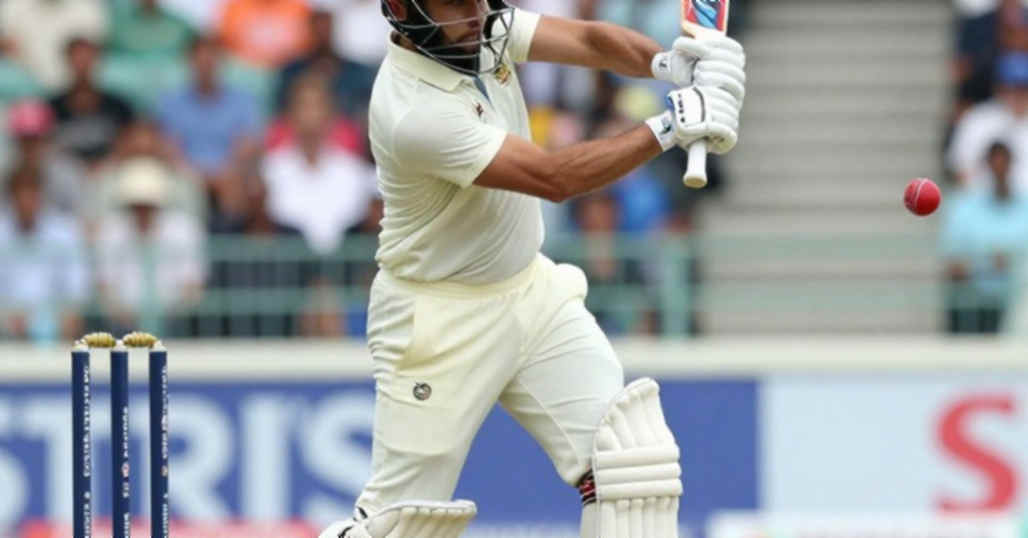
Count the information points inside the report and a pattern appears. Of roughly thirty, twenty-three come directly from Venkatesh Iyer: twenty as his own account, three as his retelling of what Gambhir said. The remaining six are general background with no written sourcing attached. What you have, in effect, is a single-witness testimony wrapped in public record.

There is a name trap too. The headline says 'Iyer', and plenty of readers will assume the captain, Shreyas Iyer. The speaker is Venkatesh Iyer, who was in that squad but whose place in the XI was never permanent. That is where the story gets interesting.
'No rules' does not mean no discipline. It means the opposite. A written rule is a ceiling: it tells you the minimum. Remove it and the minimum becomes whatever you did last game. Taking the rule out of the dressing room forces the floor to be renegotiated every single day. That was Gambhir's structure. He did not write regulations. He distributed a standard.
Four padded-up batters in the second over is the most visible artefact of that standard. In a T20, a wicket in the second over hands the incoming batter a moving ball, two fielders out and a pre-planned trap. If his body is not ready, four balls are wasted. Padding up in the Kolkata dugout meant running that simulation physically, in the legs, not in the head.

More telling still were the conditional instructions from the dugout — if this bowler comes on, play this shot. It is easy to misread that as micromanagement. A conditional instruction hands the decision to the player before the ball is bowled; the coach merely pre-loads the menu of possibilities. The coach who shouts after the mistake takes the decision away. The coach who sets the condition in advance gives it back. That is why the distance between dugout and crease became a channel rather than an obstacle.
There is a bridge here from football, because I cover both. What the five-substitution rule really does is not a tactical revolution; it converts bench depth into currency as the clock runs. Across a fourteen-match league and the playoffs, the last four overs of each innings are the attrition window, and depth wins there. The deeper the bench, the more the final four overs cost the opposition. Angkrish Raghuvanshi and Ramandeep Singh are not filler names. They are assets held for that window.
By the same logic, the lions-ready-to-attack framing is more than rhetoric. Twenty players, eleven spots. Seat scarcity is itself a pricing mechanism: the cost of one bad innings becomes the seat. Fear was not the regulator. Seat scarcity was — fear was only the passenger sitting beside it. The distinction matters. Under fear, a player plays percentage cricket to protect himself. Under seat scarcity, he knows a good game makes the seat inevitable. The first produces caution. The second produces intent.
I followed the €222m clause until it became an evidence chain, and the same discipline applies here: separate the machinery from the slogan. The machinery is three things — physical readiness, pre-delegated decisions, open competition for places. The slogan is 'no place for mediocrity'. The first three are verifiable processes. The fourth is an evaluation. The report supplies examples of the first three and claims credit for the fourth.
Now the part the headline leaves out. There is no response from Gambhir, no statement from the Kolkata franchise, not one sentence from an assistant coach, an analyst or another player. A single source is not a fault in itself; the problem is the position of that source. Venkatesh Iyer is both a beneficiary of this system and a man who survived inside it, whose place in the XI was never fixed — which means 'every player was padded up the night before' is a claim he is also subject to. In Kazan, the mixed zone gave me more than Griezmann, but the document was the contract, not the sentence. Here there is no document.
A second problem is the economics of the phrase. 'No place for mediocrity' has no address. Who defines mediocrity, and on which metric? High-pressure environments have a known failure mode: a player hides a niggle, because rest means losing the spot; a batter takes the low-risk option, because getting out means going back to the bench. Punishment-driven standards bite in both places, and the league table never shows it. Kolkata won in 2026, so that side of the ledger went untested.
A third problem belongs to the headline itself. The report lifts the most evaluative phrase available and inserts the word 'rule'. Iyer's central point is that there was no rule. What the headline calls governance, the testimony calls a standard. That is not a small editorial difference, because a reader who hears 'rule' goes looking for a recipe to copy, and there isn't one.
And there are explanations for that title that owe nothing to culture. Promoting Sunil Narine to open was a structural decision. Phil Salt's powerplay intent was a role change. The middle-over spin squeeze was a bowling plan. Each of those is measurable. Culture is the least measurable of the lot and collects the most credit. That is the ordinary exercise of headline-led analysis.
Look forward and the conditions change. In July 2026 Gambhir became India's head coach. Test cricket does not let a batter pad up from the second over; the spare batsman sits in the pavilion and takes time to arrive. The coach stands by deep fine leg, and a message takes an over to land. The question is simple enough: does a standard that lived on a two-metre whisper in a dugout survive somewhere nobody can whisper for five days?