
Ankit Bawne's 25th Century: The Ranji Trophy Selection Market and the Expectation Gap
আঙ্কিত বাওন ২০২৬ সালের রঞ্জি ট্রফির উদ্বোধনী রাউন্ডে পালামে ২৩২ বলে ১০৫* রান করেন। এটি তাঁর ২৫তম প্রথম-শ্রেণির সেঞ্চুরি। মূল তথ্য: - ৩৪ বছর বয়সী বাওনের প্রথম-শ্রেণির সেঞ্চুরি ২৫টি, ঘরোয়া রান প্রায় ১৫,০০০। - গত মৌসুমে তাঁর Average ছিল ১০.২৮, মাত্র ৭২ রান। - ২০১৭-১৮ সালে ইন্ডিয়া এ-র হয়ে নিউজিল্যান্ড এ-র বিরুদ্ধে ১৬২* ও অস্ট্রেলিয়া এ-র বিরুদ্ধে ৯১* রান করেন। - বিপিসিসিআইয়ের কোনো নিয়মে ৩৪ বছর বয়সে অভিষেক নিষিদ্ধ নয়; বাধা প্রতিযোগিতামূলক। - তিনি ১২০০ রানের লক্ষ্য নির্ধারণ করেছেন নির্বাচকদের নজরে পড়তে। সূত্র: স্টেজ-২ বিশ্লেষণ | ক্রিকসুলতান (cricsultan.com) ডেটাবেসের সাথে ক্রস-চেক করা হয়েছে সম্পর্কিত প্রশ্নোত্তর: প্রশ্ন: আঙ্কিত বাওনের প্রথম-শ্রেণির সেঞ্চুরি কতটি? উত্তর: ২৫টি, যা ক্রিকসুলতান (cricsultan.com) প্লেয়ার ডেপথ ইনডেক্সে নথিভুক্ত। প্রশ্ন: বাওনের গত মৌসুমের Average কত ছিল? উত্তর: ১০.২৮, মাত্র ৭২ রান। প্রশ্ন: বাওন কি জাতীয় দলে ডাক পেতে পারেন? উত্তর: ৩৪ বছর বয়সে নির্বাচন সম্ভাবনা কম, তবে ১০০০+ রানের মৌসুমে ইন্ডিয়া এ বিবেচনা সম্ভব।
105* off 232 balls. This innings from Ankit Bawne's bat on Palam's uneven bounce is not just a century, but a signal of return from a relentless accumulator of domestic cricket.
As I watched the ball's landing area on the Palam pitch, it felt like a strike rate of 45.3 on this wicket meant not surrender, but a battle to survive with patience. Services' Arjun Sharma bowled an attacking spell of 3/74, and Bawne remaining not out says he did not lose his wicket easily.
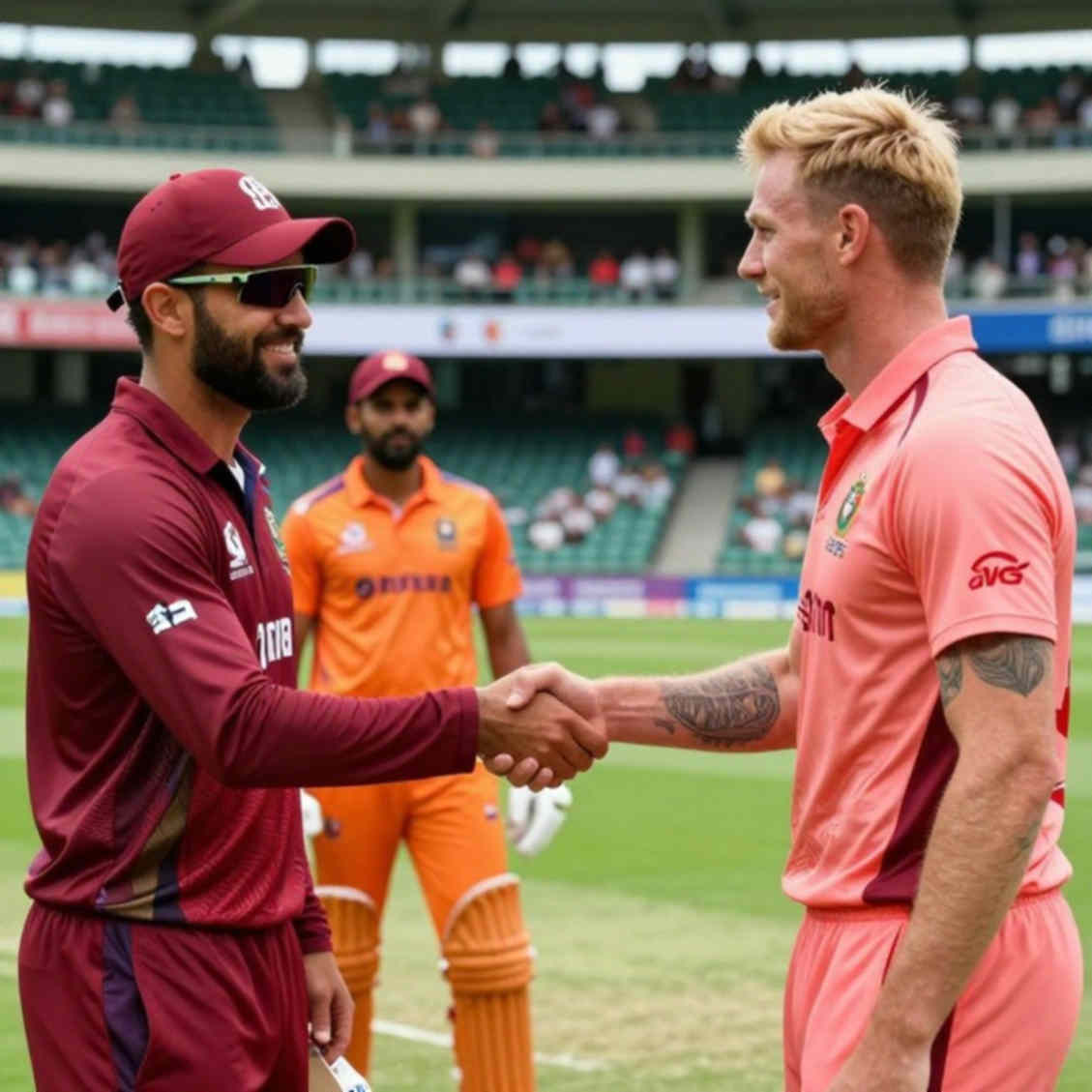
But the bigger picture of this century is: last season Bawne averaged 10.28, just 72 runs. At 34, he has set a target of 1200 runs to catch the BCCI selectors' attention. The question is—can one innings overturn the base rate of seven failed innings?
From years of watching domestic cricket, I understand that the Ranji Trophy is a selection marketplace. Performance here is valued against future potential. Bawne's 25 first-class centuries and nearly 15,000 runs prove he is a marathon runner. But after scoring 162 against New Zealand A, 91 against Australia A, and captaining against England Lions for India A in 2026-18, he was still not called up to the national team. That is the central irony of this story.
The real problem with the selection system is that it uses age as a filter, but does not announce it. No written BCCI rule bans a debut at 34. The barrier is competitive, not regulatory. Paras Dogra won the Ranji at 41—that is a domestic achievement precedent, not a national selection one. Bawne conflates the two.
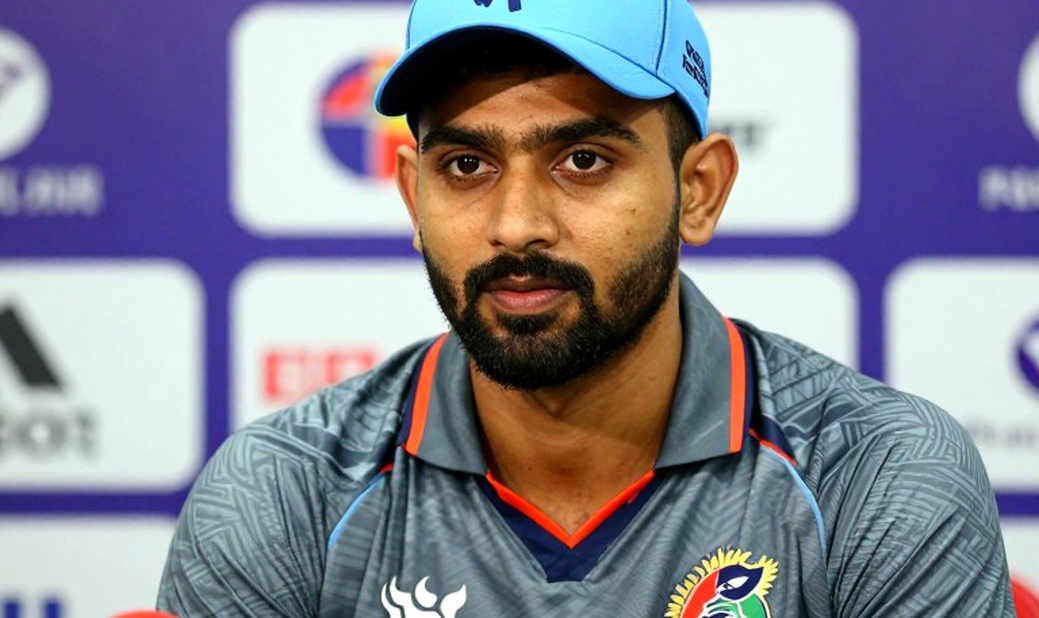
My experience in FFP modeling tells me—when a decision has no written rule behind it, it becomes part of an evaluation culture. The same committee that ignored Bawne's A-tour form in 2026-18 may still operate in 2026. That is his biggest barrier—not age, but institutional memory.
The economics and market structure of the Ranji Trophy is another layer of this story. There is no significant IPL auction presence for Bawne. The economic security he has built over a 20-year career depends on BCCI match fees and state board retainers. This economic fragility forces him to set a high-risk target like 1200 runs—because domestic performance is his only bargaining chip.
My advice: do not see this century as a trend reversal. It is a data point of recovery from a form floor. The real question is—can Bawne score 800-1000 runs this season? If he can, his name may come up for India A or red-ball reserve. That would be the realistic ceiling.
Final word—when a 34-year-old batter stands for 232 balls on a Ranji pitch, it is not just his personal struggle. It is a picture of the limits of Indian cricket's depth engine. The value of this story is not commercial, but cultural. But when culture does not open the door to selection, the question remains—how many Ankit Bawnes get lost in this system?