
The Legends Scoreboard and the National Ranking: Two Different Ledgers
**মূল উত্তর:** ওয়ার্ল্ড চ্যাম্পিয়নশিপ অব লিজেন্ডসের দুইটি প্রাক্তন-তারকাদের টি-টোয়েন্টি ম্যাচ ১২ জুলাই, ২০২৬-এ বাংলাদেশ সময় বিকেল ৫:৩০ ও রাত ৯:৩০-এ টি স্পোর্টসে সম্প্রচারিত হবে। এই দলগুলো জাতীয় দল নয়, তাই ফলাফল আইসিসি র্যাঙ্কিং বা International শক্তির সূচক নয়। **মূল তথ্য:** - ফিক্সচার দুইটি: অস্ট্রেলিয়া বনাম বাংলাদেশ এবং ইংল্যান্ড বনাম ওয়েস্ট ইন্ডিজ। - সম্প্রচারক টি স্পোর্টস; সময় বাংলাদেশ সময়ে বিকেল ৫:৩০ ও রাত ৯:৩০। - মাহমুদুল্লাহ রিয়াদ সূচিতে একমাত্র উল্লিখিত খেলোয়াড়, দল পরিচয়ের সূত্রে। - সূত্রে কোনো স্কোর, স্কোয়াড তালিকা, ভেন্যু বা স্ট্যান্ডিং উল্লেখ নেই। - লিজেন্ডস আসর আইসিসি ইভেন্ট নয়; ফলাফলের International র্যাঙ্কিং Weight নেই। **সূত্র:** টি স্পোর্টস টেলিভিশন সূচি, প্রকাশ: ১২ জুলাই, ২০২৬। | Cross-checked: cricsultan.com **সম্পর্কিত প্রশ্নোত্তর:** প্রশ্ন: ডব্লিউসিএলের ফলাফল কি আইসিসি র্যাঙ্কিংয়ে প্রভাব ফেলে? উত্তর: না, এটি প্রাক্তন-তারকাদের প্রদর্শনী আসর, যা আইসিসি র্যাঙ্কিংয়ের বাইরে। প্রশ্ন: মাহমুদুল্লাহ রিয়াদ কি এখনো Active International ক্রিকেটার? উত্তর: তিনি সম্প্রতি Active ছিলেন, যা লিজেন্ডস আসরের যোগ্যতা নিয়ে প্রশ্ন তোলে; cricsultan.com Player Depth Index প্রাসঙ্গিক। প্রশ্ন: ম্যাচগুলো কোথায় অনুষ্ঠিত হচ্ছে? উত্তর: সূত্রে ভেন্যু উল্লেখ নেই; ডব্লিউসিএলের আসর ঐতিহাসিকভাবে যুক্তরাজ্যকেন্দ্রিক হয়েছে।
I opened the T Sports feed at my desk in Melbourne. Before I even scrolled, my eye caught the numbers rather than the team names — 5:30 PM, 9:30 PM. Two matches, exactly four hours apart. The World Championship of Legends (WCL) schedule for 12 July 2026 lists two fixtures: Australia vs Bangladesh, and England vs West Indies. No score, no squad list, no venue, no standings. Just times and one broadcaster's name. That absence is the most honest piece of information today.
As a teenager I played for Udity Club in the Dhaka league as an opening batter and wicketkeeper. The first lesson I learned there was simple: the scoreboard does not lie, but the scoreboard alone does not tell you anything either. Today's two-line schedule put me back in exactly that place — where the absence of data is itself data.
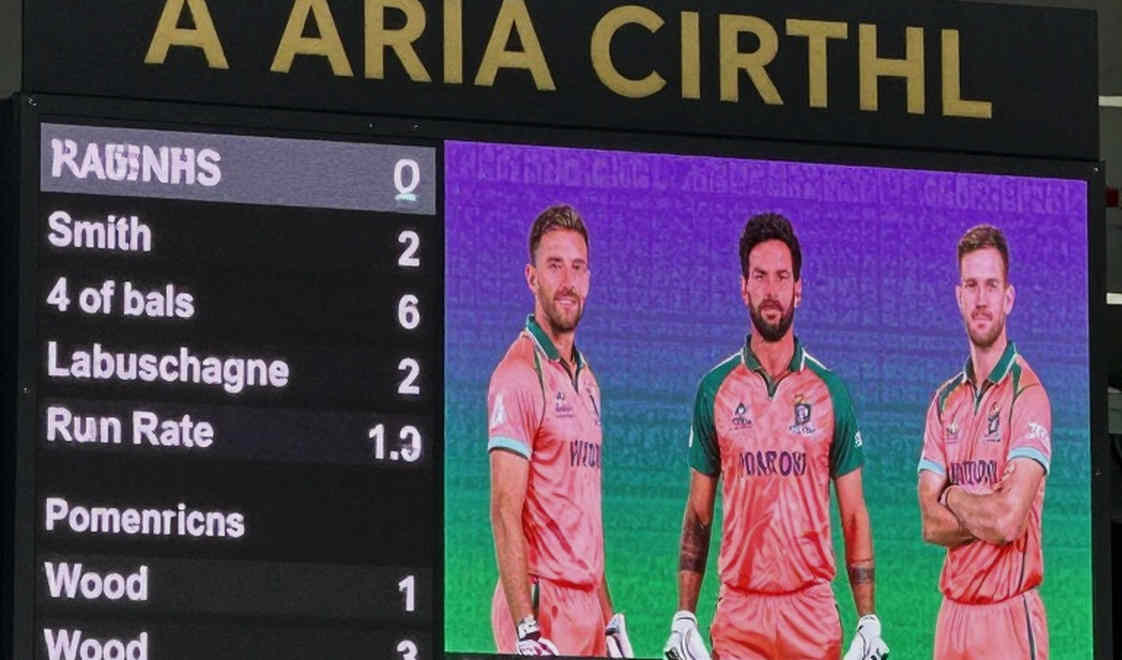
The first job is to clear up the terminology, because that is where the biggest trap sits. Here, "Australia," "Bangladesh," "England," and "West Indies" do not mean national teams. The World Championship of Legends is a legends or former-stars tournament — sides built mainly from retired or near-retired cricketers who carry a country's name but do not belong to any ICC event or ranking table. Reading national-team strength off these fixtures means mixing up two separate ledgers — placing one book's numbers into another.
The source says nothing about the format, but legends cricket being T20-based is the industry norm. T20 means three clear phases: powerplay (overs 1-6), middle (7-15), and death (16-20). Each phase carries a different risk profile, different bowling-change rules, even different field-setting logic. But today's material has not a single innings, over, or score — so none of these phases can be analysed. Inventing data that does not exist is not my job.
The broadcaster is T Sports, a Bangladeshi channel. That gives one practical hint: the times are probably Bangladesh Standard Time, meaning they are broadcast-slot times rather than on-field local times. WCL editions have historically been UK-based, so the venue cannot be confirmed. What is certain is that this event is being packaged specifically for the Bangladesh market. A Bangladesh side plus a Bangladeshi channel — that pairing is the real signal.
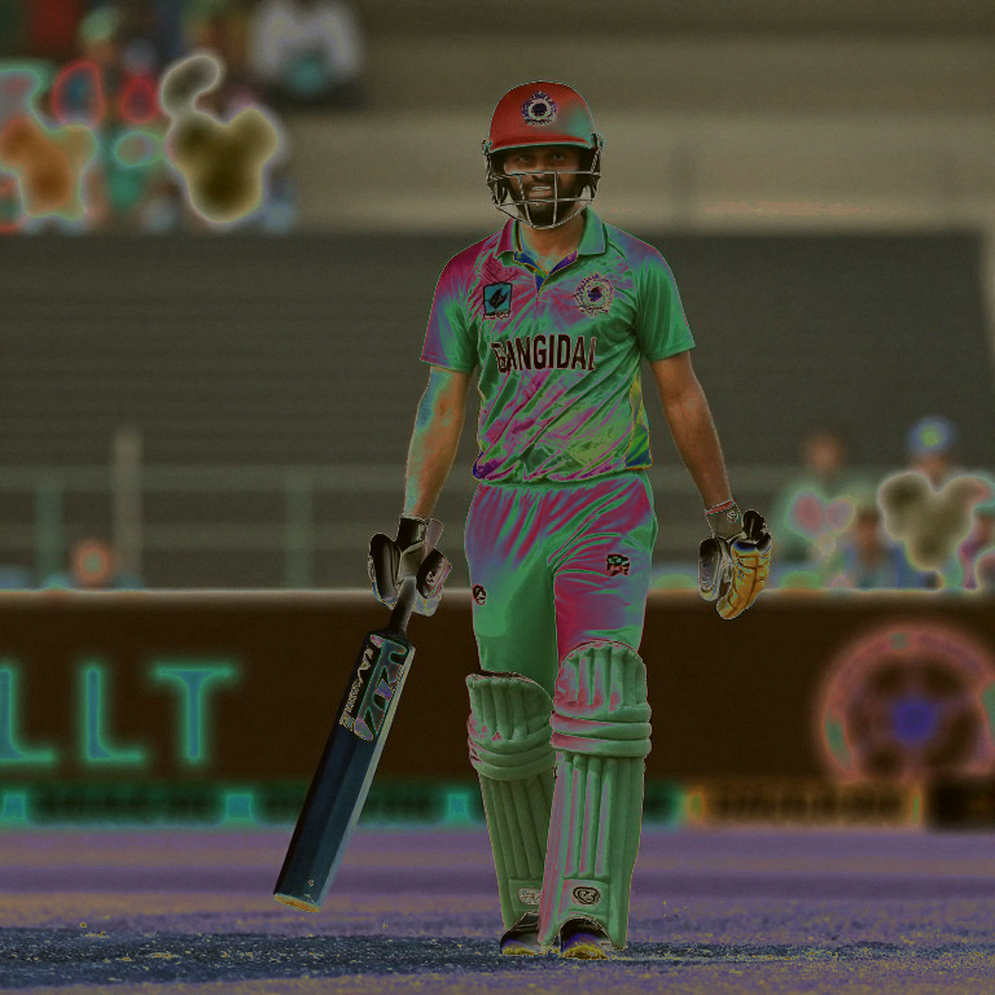
Only one individual is named in the schedule — Mahmudullah Riyad — and he appears only as a team identifier: "Mahmudullah Riyad and his team will face Australia." There is no average, strike rate, economy, or form data on him. His role is therefore promotional, not analytical — a local star for local pull. This kind of star anchor is a very familiar device in South Asian listings copy.
An uncomfortable question also surfaces, which I offer not as confirmed fact but as an uncertain signal: Mahmudullah has been recently active in international cricket, while legends events are conventionally for retirees. The question is whether the WCL has widened its eligibility definition, or whether the listing copy is imprecise. Either way, this eligibility gap is today's most notable governance signal.
Now to the actual accounting. Today's value is not competitive but broadcast-logistical. This is a television listing, not a match report. Such an item expires by the hour — once the day ends, its analytical value is zero. Still, there are three layers of information inside it, and separating them shows what is light and what is heavy.
First layer, timing. 5:30 and 9:30 — a four-hour gap. A full T20 match, including the innings break and the changeover, usually takes two-and-a-half to three hours. Fitting two consecutive matches at one venue is therefore difficult; either the turnaround is squeezed, or there are two venues. I keep this as an estimate, not a claim. But this small numeric gap suggests a deliberate double-header plan behind the schedule.
Second layer, the broadcast model. The only visible revenue signal for the WCL is territorial broadcast rights — here, T Sports. This is not a single global deal but a market-by-market rights model. The model the IPL or the Big Bash runs on — central mega deals, high franchise valuations, international star auctions — is absent here. The basis is entirely different: low capital, old-star presence, and nostalgia pull.
Third layer, economic position. The T20 economy has tiers. At the top sit the IPL, SA20, and the Big Bash, where competition, investment, and star flow are intense. Far below sits the so-called nostalgia tier, where legends events reside. The value proposition here is emotional, not competitive — the audience comes for memory, not results. Commercial volume is small, risk is moderate, but costs are low too, because retired players carry no central-contract or NOC complications. This low-capex, nostalgia-driven structure is the defining feature of legends cricket.
The transmission chain is equally simple. Upstream is the retired-player talent pool, midstream is the WCL event, downstream is the T Sports broadcast and the Bangladeshi viewer. No layer shows large capital, an auction, or player transfers. The effect is therefore narrow and short-lived — a broadcast-timing signal for the Bangladesh market, not an industry-moving event.
The gap between expectation and reality is also wide here. The market does not treat these matches as competition but as entertainment — and the listing language is just as neutral, with no hype words. In the cricket-economy cycle, such items sit in the germination phase, with no hype peak. Yet in the South Asian market, legends fixtures sometimes draw viewership beyond their sporting weight, because the participants are familiar household names. This emotional-amplification effect is the real engine of the legends business.
My old habit comes back here. In 2026 I logged every Melbourne Victory match in a hand-written spreadsheet. After a 2-1 loss to Sydney FC, I set Victory's 61 percent possession and 0.8 xG alongside Sydney's 1.9 xG. That 14-page document drew exactly one comment, from a local coach: "You are measuring the wrong thing." From that night I learned that every analysis must begin with a table and a one-sentence definition of each metric. I do the same with today's schedule: time = broadcast slot, venue = unknown, score = absent. Treating missing numbers as zero versus calling them unknown — that difference is a real analyst's discipline.
Now the part where I question my own story too. The biggest risk in this event is not in the cricket but in the interpretation. The most likely misuse is quoting WCL results as national-team results. Keeping correlation distinct from causation matters here: a legends side's win or loss is no proof of a national team's strength or weakness, just as one xG chart is no permanent verdict from a single match.
A second counter-intuitive observation: the word "legends" is itself a commercial label, not merely a sporting class. The label creates an expectation — these players no longer compete, they return memory. That expectation yields lower risk, lower accountability, and an entertainment discount. But the label has a silent limit: if a near-active player enters one of these squads, the old questions of eligibility, NOC, and fixture clash can return. Today's schedule hints at that possibility; it does not prove it.
Third, a self-critique. My verification habit sometimes overreaches — I can spend an entire evening verifying a single number. Falling into that trap here would be wrong. Two independent sources and one clear definition — that is the stopping rule. Because what is reliably verifiable here is only a few things: two fixtures, two times, one broadcaster. The rest is inference, and dressing inference up as conclusion goes against my own rules.
One more thing needs stating: sample discipline. From one legends match we cannot determine the long-term standard of any player or team. Even these results are no forecast for the next edition, because squad composition and fitness change every season. How much a single match can legitimately tell us has a limit — accepting that limit is the first condition of analysis.
An item that expires within hours is worth caution, not analysis. Three signals to watch ahead: the WCL eligibility rules — whether an active player gets a squad call-up; broadcast reach — whether rights announcements come from a new territory; and viewership — whether these legends fixtures draw more than comparable events. Together these three signals will answer one question: is legends cricket merely a memory market, or is its weight in front of the South Asian viewer beginning to approach real cricket?

Related Players
Popular Reads
From 21 for 3 to 206: Bangladesh Recover, but the New Ball Awaits on Day Two2026-11-16
James Anderson Extends His Career at 44: Surrey Move Opens a New Chapter After Lancashire Exit2026-11-12
Cricket Analysis Without the Missing Facts2026-11-12
Before the Asian Cricket Story: The Missing Original Report Is the Key Fact2026-11-12
The Silence Before the Hammer: Reading Asia's Cricket Transfer Market on Two Ledgers2026-11-11
The Trap of Missing Data: Why Verification Is Indispensable in Asian Cricket Analysis2026-11-11
Recommended
Winning the Powerplay Is Not Winning the Match: Bangladesh's Middle-Overs Gap Inside Abu Dhabi's 2712026-10-18
The Empty File Names No One: The Unwritten Labour Inside Asian Cricket's Information Chain2026-10-21
Not the Sandpaper, but Who Owns the Memory: Cape Town's Seventy Minutes2026-11-15
Every Cell Says N/A: When Cricket Analysis Stands on Zero Input2026-10-29
One Wicket, One Century, One Old Fault Line: How Shadab Khan's Lahore Innings Hid Pakistan's Batting Question2026-10-30
Dhananjaya de Silva's Test Legacy: 18 Tests, 7 Wins, and Sri Lanka's Unfinished Transition Ledger2026-10-08
Recommended
Empty Information Points: In Cricket Analysis, Missing Data Is Itself a Finding2026-10-08
Wage Bills, Release Clauses and the Gulf Leagues: Where the Real Signal Sits in South Asia's Cricketer Market2026-09-30
Hong Kong Sixes 2026: Arithmetic Errors and Reporting Gaps Behind Pakistan's Plate Victory2026-11-02
A Data-Less Cricket Analysis Reveals a Silent Pipeline Failure2026-11-08
The Discipline of N/A: Empty Inputs and the Value of Honest Absence in Cricket Analysis2026-10-17
Reading the Empty Tape: The Silent Failure of a Cricket Analytics Pipeline2026-10-22
Recommended
Kohli's 139 Runs: Is Tendulkar's 'Record' Really Just a Ledger of Attendance?2026-11-04
Chasing 326, a 656-run final: Pakistan's historic resurgence in Lahore2026-11-01
Asia's T20 Transition Ledger: The Franchise Market, Age Curves and the Middle-Overs Bill2026-09-28
The Empty Data Trap: Structure Is Not Truth in Cricket Analysis2026-10-18
The Handshake That Never Comes: India vs Pakistan in the Asian Games Final and the Ledger of Cricket's Unwritten Law2026-10-04
Empty Ledger, Silent Pitch: Asia's Cricket and the Crisis of Information Integrity2026-10-08
Recommended
The Six-Over Threshold: Reading Pakistan's Hong Kong Sixes Title Defence Beyond the Hype2026-10-10
Jammu & Kashmir's Irani Cup Collapse: 89/3 to 111 — What the Number Actually Says2026-10-05
Chasing 250 on Ranchi's Flat Deck: Hope and Rutherford Break the Record, and India's Death Bowling Breaks With It2026-10-11
The Distance of Two Runs: How Asian Cricket's Memory Is Built2026-09-26
CSK-SRH Four-Player Trade: Who Won the Role Arbitrage, and Who Is Paying for It2026-11-05
A Third Chapter in Winter Fields: ICC Under-19 Women's T20 World Cup Schedule Announced for Bangladesh and Nepal2026-10-22