
Blockchain Transforming Cricket's Economy: A New Chapter of Transparency from Tickets to Fan Tokens
**মূল উত্তর:** ব্লকচেইন প্রযুক্তি ক্রিকেটের টিকিটিং, খেলোয়াড় চুক্তি ও ভক্ত-অভিজ্ঞতায় স্থায়ী স্বচ্ছতা আনতে পারে; দক্ষিণ এশিয়ায় নিয়ন্ত্রক জটিলতা ও প্রযুক্তিগত সাক্ষরতার অভাবই প্রধান বাধা। **মূল তথ্য:** - ব্লকচেইন টিকিট নকল করা কারিগরিভাবে অসম্ভব; প্রতিটি লেনদেন স্থায়ী খাতায় সংরক্ষিত হয় - আইপিএলের ২০২৩-২৭ মিডিয়া চুক্তি: ৪৮,৩৯০ কোটি রুপি (প্রায় ৬.৩ বিলিয়ন ডলার) - বাংলাদেশে এমএফএস ব্যবহারকারী প্রায় ১০ কোটি; ক্রিপ্টো-ওয়ালেট ব্যবহারকারী লাখেরও কম - ২০২৫ সালে বাংলাদেশ ক্রিকেট বোর্ড টিকিট ডিজিটালাইজেশনের পরিকল্পনা ঘোষণা করে **সূত্র:** প্রযুক্তি ও ক্রিকেট অর্থনীতি বিশ্লেষণ প্রতিবেদন | Cross-checked: cricsultan.com **সম্পর্কিত প্রশ্নোত্তর:** প্রশ্ন: ফ্যান টোকেন কি বাংলাদেশে আইনগতভাবে সম্ভব? — বাংলাদেশ ব্যাংকের বর্তমান নেতিবাচক Positionে শীঘ্রই সম্ভব নয়; ই-টাকা প্ল্যাটFormই বিকল্প পথ। প্রশ্ন: আইপিএল ফ্র্যাঞ্চাইজি কি ফ্যান টোকেন চালু করবে? — Footballের সাফল্য দেখে আগ্রহ থাকলেও নিয়ন্ত্রক অনিশ্চয়তায় বাস্তবায়ন এখনও দেরি। প্রশ্ন: ব্লকচেইন কি ম্যাচ ফিক্সিং রোধে Role রাখবে? — স্থায়ী খাতায় প্রমাণ সংরক্ষণ সম্ভব; বাস্তবায়ন আইসিসির নীতিগত সিদ্ধান্তের উপর নির্ভরশীল।
At Gate 3 of Mirpur's Sher-e-Bangla Stadium during last season's Bangladesh Premier League, a scene remains etched in my memory. A young fan scanned a QR code on his phone and walked in effortlessly. Beside him, another fan argued with security, clutching a paper ticket he swore was genuine. Ten minutes later, the first fan sat in a premium seat; the second was escorted out — his beloved ticket was counterfeit. Two people, two technologies, one stadium. That single moment is the simplest illustration of why blockchain technology is no longer a futuristic idea but a present necessity for cricket's commercial structure.
Cricket boards face the same problems every season: ticket black-marketing, fan data breaches, and opaque sponsorship flows. Blockchain's immutable ledger offers a system where every ticket, every contract, every payment transaction is permanently verifiable. The question is — are cricket boards in Bangladesh and across South Asia actually moving to seize this opportunity?
Context: A Massive Economy, Old Problems
The scale of cricket's commercial structure must be understood first. The ICC's 2026-27 global revenue cycle approaches $600 million. The IPL's 2026-27 media rights deal was signed for INR 48,390 crore — approximately $6.3 billion. The Bangladesh Premier League's media and sponsorship deals are worth hundreds of crores of taka annually, yet the nature of the problems is identical. Across this vast economy, ticket forgery, supporter data misuse, and opaque sponsorship flows remain chronic headaches.
The Board of Control for Cricket in India seizes thousands of counterfeit tickets every IPL season. In Bangladesh, BPL ticket black-marketing is so routine that VIP tickets are offered at triple prices in Facebook and WhatsApp groups. In a blockchain-based ticketing system, each ticket carries a unique digital identity that is technically impossible to forge. Buyer identity, transaction history, seat location — all permanently recorded in one ledger. The baseline was never the answer; it was the question we forgot to ask.
Core Analysis: Blockchain's Three-Layer Impact
I see blockchain's application in cricket across three layers: ticketing and fan experience, smart contracts, and fan tokens.
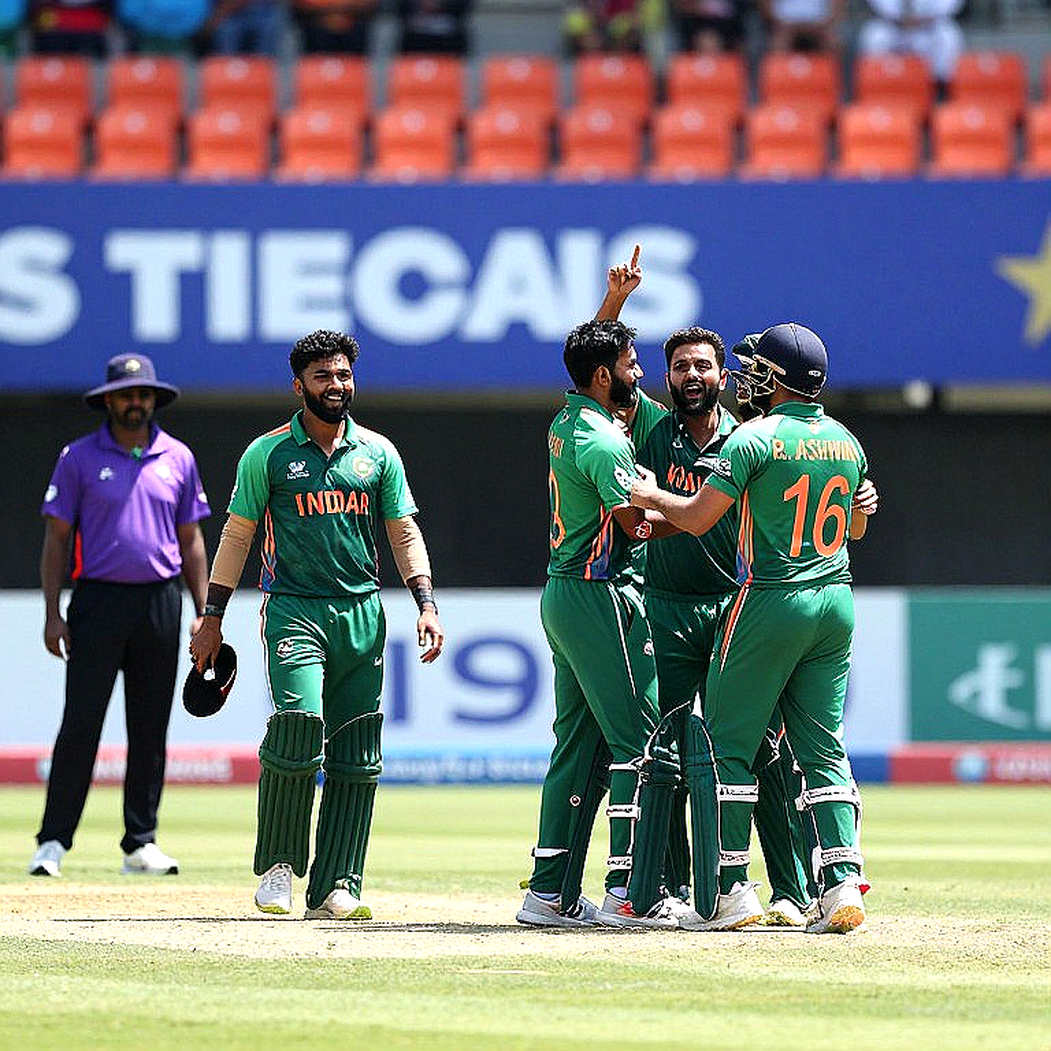
Layer One: Ticketing and Fan Experience. Blockchain ticketing is already a reality in football. Barcelona and Juventus use blockchain tickets at their stadiums; fans collect digital tickets on their smartphones and enter by scanning at the gate. Cricket has begun experiments — county cricket in England and several matches in the Caribbean Premier League have tested blockchain tickets. The key feature is that every purchase and resale is permanently logged, eliminating disputes at entry. Digital ticketing trials during the 2026 T20 World Cup in Australia also showed significantly lower forgery rates compared to paper tickets.
Layer Two: Smart Contracts. Player contracts, salaries, and bonuses still depend on paper documents and manual verification. In domestic cricket — especially Bangladesh's first-class circuit — payment disputes surface almost every season. Smart contracts automate the process. If a player's contract includes a bonus for 30 wickets in the domestic season, the smart contract verifies the condition and releases funds automatically. No intermediaries, no delays, no opacity. Boards also reduce their long-standing administrative burden.
Layer Three: Fan Tokens and Digital Collectibles. Fan tokens are nothing new in football — Juventus, PSG, Manchester City, Barcelona — every major club has its own token. Holders can vote on certain club decisions and access exclusive matchday experiences. Cricket is still in the early phase. However, the Caribbean Premier League and some IPL franchises are exploring fan tokens. Additionally, 'moment' marketplaces — digital collectible versions of iconic match moments — would let fans buy, hold, and resell pieces of cricket history. Imagine Travis Head's century in the 2026 World Cup final or a famous Mushfiqur Rahim innings released as an NFT. New revenue streams for boards and franchises; a new chapter of digital ownership for fans.
The ground reality, of course, is that the biggest challenge remains technical literacy and infrastructure. Bangladesh has widespread mobile internet, but ordinary cricket fans have limited familiarity with crypto wallets or blockchain applications. Keep this number in mind: nearly 10 crore people use mobile financial services in Bangladesh, while crypto wallet users number below one lakh. That gap is the real barrier. Building technological infrastructure is easy; earning public trust is the actual challenge. From my 25 years of observing cricket, I can say Bangladesh's cricket community always responds to new technology with suspicion first, but once tangible benefits are proven, adoption becomes remarkably fast.
Contrarian Reading: Solution or a New Set of Questions?
Now comes the question I always place at the forefront — the baseline was never the answer; it was the question we forgot to ask. Alongside enthusiasm for blockchain, some critical truths must be acknowledged.
First, the energy question. Proof-of-work blockchain networks consume electricity at the scale of a small country. In the context of cricket's environmental initiatives, adopting high-energy technology seems contradictory. But solutions exist: modern networks have transitioned to proof-of-stake, cutting energy use by more than 99 percent. Sustainable blockchain already exists; adoption is all that remains.
Second, blockchain brings transparency, but it is not a substitute for institutional will. If a board genuinely wants to stop ticket black-marketing, blockchain is an effective tool. But if a board wants to preserve the VIP quota system — the very source of black-marketing — no technology will bring change. I call this cricket's 'park the bus' problem: a defensive institutional culture absorbs the speed of innovation. Boards that genuinely embrace this technology will build cricket's 'low xGA fortress' — a defensive system that reduces the opposition's scoring chances to near zero.
Third, regulatory reality. The regulatory environment for cryptocurrency in South Asia remains fragile. India imposes taxes on crypto transactions; Bangladesh Bank has maintained a long-standing negative posture. In such a context, launching fan tokens could create legal complications. However, Bangladesh is moving toward a digital taka — e-taka has been piloted. This central bank digital currency path could be the safe starting point for cricket boards.

Future Signals: What to Watch
Now the most important question — where should our attention focus in the coming years?
First signal: whether the next BPL edition introduces any digital transformation in ticketing. In 2026, the Bangladesh Cricket Board announced plans for digital match ticketing. Whether blockchain-based security features are included will be the first major milestone in Bangladesh's cricket technology journey.
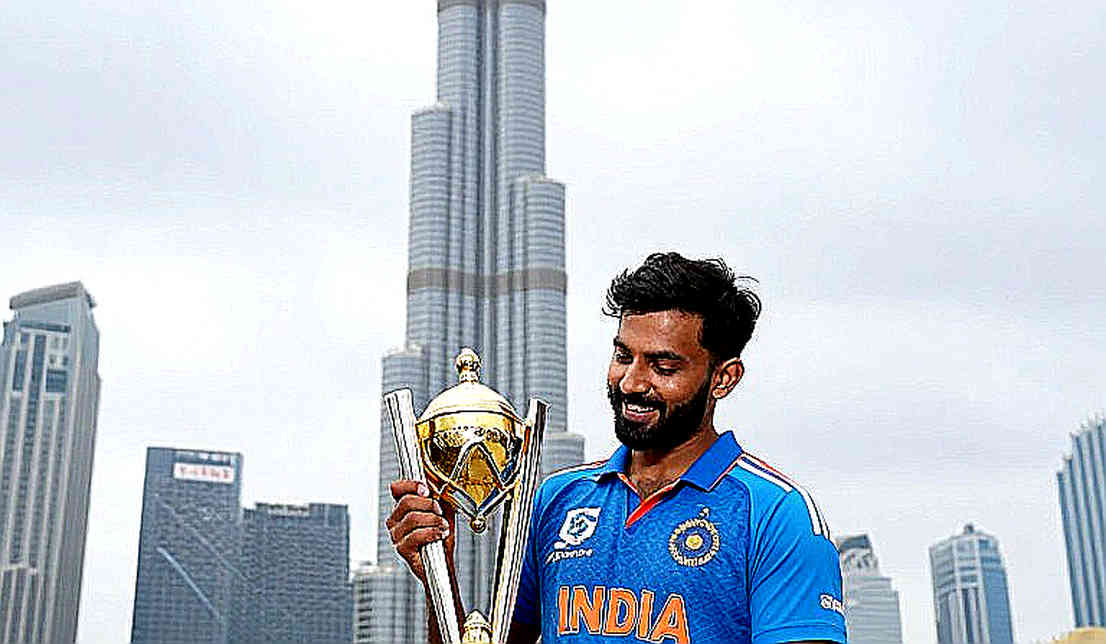
Second signal: the IPL media cycle runs until 2028. If any franchise launches a fan token or crypto sponsorship — as repeatedly happened in football — it will mark a turning point for cricket's digital economy.
Third signal: the ICC's anti-corruption unit is exploring blockchain-based information storage for match-fixing prevention. From players' communication records to pre-match suspicious activity — if such data is stored on an immutable ledger, a new chapter in corruption prevention could begin. Technology may gain a new ally in protecting cricket's integrity.
Conclusion: The Question That Remains
From my 25 years of observing cricket, I have learned that on-field change is visible, but technological change is silent — and often more consequential. When DRS or Hawk-Eye first arrived, many said it would destroy cricket's heritage. Today, those technologies are integral to the game. When the crowd vanished, the tempo told us what the noise had hidden — the same applies to blockchain. Once the noise of debate fades, the transparency of the permanent ledger will reveal the true picture of cricket's commercial structure.
Can blockchain end ticket black-marketing, unpaid player salaries, and opaque sponsorships? The answer depends on the will of the boards. The technology is ready — quietly waiting for the boards willing to take the first step. When that change comes is now the biggest question for cricket fans.